Room to race
Compact cars make indoor practice and club circuits possible in spaces that cannot host larger RC classes. A proper race layout still needs room for safe driving and marshalling.
A SMALL-SCALE MOTORSPORT
Miniature RC combines the feel of motorsport with the satisfaction of understanding a machine. Here is where it came from, how it works today, and where it could go next.
1:28 SCALE / FULL-SIZE PASSION
Compact cars make indoor practice and club circuits possible in spaces that cannot host larger RC classes. A proper race layout still needs room for safe driving and marshalling.
Tyres, weight distribution, gear mesh and suspension all have visible effects. Working through those relationships makes the hobby an engaging introduction to practical engineering.
Indoor venues reduce dependence on the weather. Small cars can also mean modest consumable use, though race budgets still vary with travel, class and upgrade choices.
A club gives you setup advice, race etiquette and people to practise with. Helping marshal, sharing spares and discussing a difficult corner are part of the experience.
Hobby-grade RC developed around serviceable cars, proportional control and organised racing. Miniature racing brought those ideas into a smaller indoor format.
Kyosho dates the first Mini-Z release to December 1999. Scale bodies, proportional control and a palm-sized chassis created a distinctive meeting point between model collecting and racing.
Successive chassis, including the MR-03, expanded the tuning ecosystem. AWD, front-wheel-drive and buggy variants offered different ways to drive. Radio systems and brushless options evolved alongside them.
Kyosho remains central to Mini-Z, while PN Racing, GL Racing, Atomic and Reflex Racing offer their own parts or competition platforms. MR-04 represents a further evolution of Kyosho’s RWD architecture.
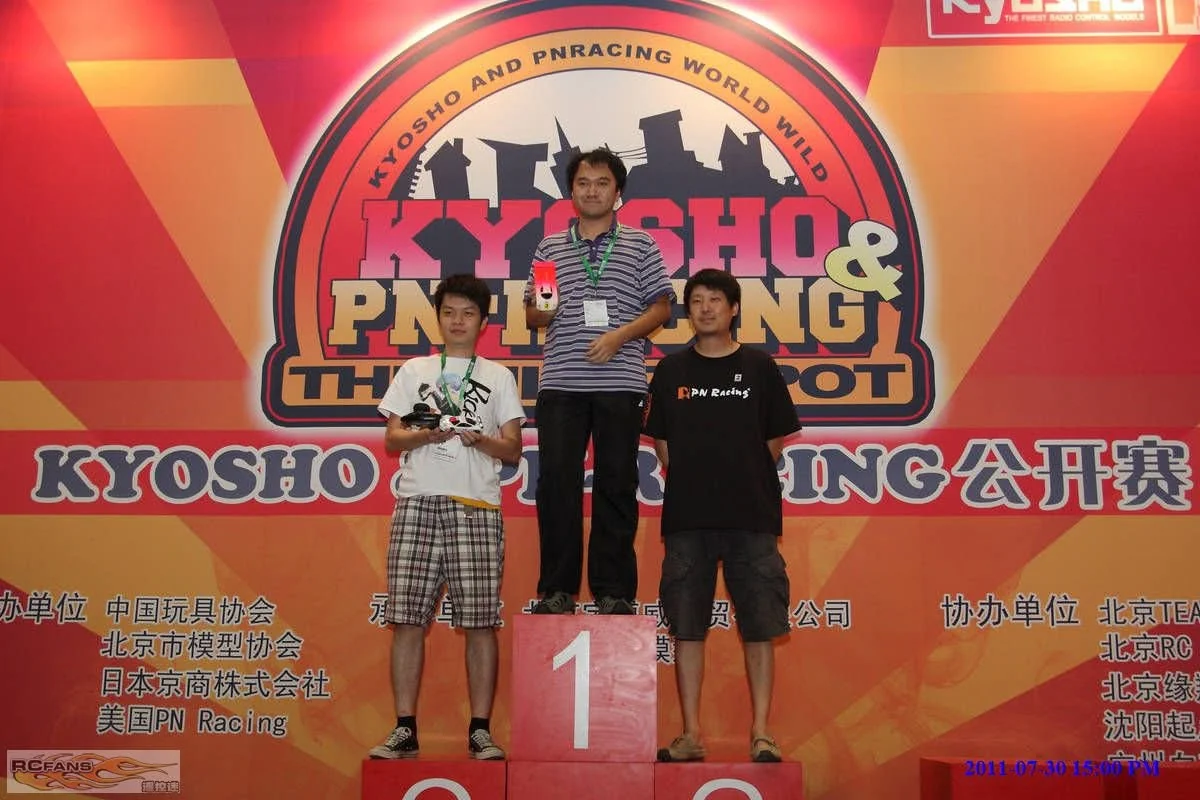
An international event with multiple classes and final groups. A B-main win is a meaningful result within that final, but it is not the same as winning the A-main or the overall class. Read the event’s published results and technical rules.
A manufacturer-led competition with its own eligible cars and class regulations. Do not assume an aftermarket open-class chassis or a different battery chemistry is permitted.
Clubs and independent meetings set their own rules. Stock and modified labels do not have one universal specification. Confirm motor, battery, body, tyre, timing transponder and minimum-weight requirements with the organiser.
Custom tools, body accessories and small replacement components can shorten the journey from an idea to a prototype. Print quality and structural suitability still need testing.
Programmable ESCs and lap-timing data can make testing more repeatable. Open-source timing projects are interesting for experimentation; verify accuracy, transponder support and race suitability before relying on one.
Durable entry cars, shared club equipment and understandable guides can reduce the barriers to joining in. Community growth is an opportunity, not a guaranteed forecast.
Find your local track, learn the basics, and enjoy the process. We’ll help with the rest.